Orlando Paver Sealing Guide: How Long Does Sealer Really Last in Central Florida?
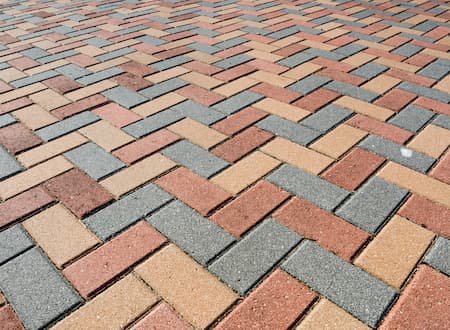
If you live in Orlando, you know our sun, storms, and sprinklers are tough on hardscapes. Homeowners in Lake Nona, Winter Park, Dr. Phillips, and across the Metro area often ask how long their paver sealer will truly last. This guide explains what to expect in our climate and how professional paver sealing helps your driveway, pool deck, and patio stay protected longer.
Your home’s exposure, traffic, and the type of sealer all matter. So does who applies it and when. For trusted paver sealing in Orlando, FL, A Cleaner Touch LLC provides a proven process that stands up to year-round humidity, UV, and daily use.
What Impacts How Long Paver Sealer Lasts in Orlando
Orlando sits in a high-UV zone with long, hot summers and frequent afternoon thunderstorms. That combination wears away film-forming sealers faster and can push moisture through joints, which weakens sand and causes haze if sealing happens at the wrong time. Homes near golf-course lakes or with well-water irrigation also see extra mineral staining that challenges older seal coats.
Every property is different, but these factors are the big drivers of lifespan:
- Sun exposure and heat load on the surface during mid-day hours
- Water sources like irrigation overspray, pool splash-out, and summer downpours
- Foot and vehicle traffic, tire turning on driveways, and furniture movement on patios
- Paver porosity and color, from light travertine-look pavers to dark tumbled concrete
- Sealer chemistry and solids content, plus how evenly it was applied and cured
Driveways in Baldwin Park or College Park that face south may weather faster than shaded patios in Windermere. Pool decks around Conway or Lake Underhill often need attention sooner due to constant water and chemicals. Florida UV shortens the life of any coating compared to cooler, drier regions, so expecting the same timeline as up north will lead to disappointment.
Wet-Look vs Natural Finish: Lifespan and Best Use
Wet-Look Acrylic or Urethane-Enhanced Sealers
Wet-look products deepen color and often add a satin to glossy sheen. Many also stabilize sand joints, which helps resist weeds and washouts, especially in sloped driveways. In Central Florida, film-forming wet-look sealers usually deliver a solid appearance for a couple of years, then gradually dull as UV and rain wear them down. On heavy-use driveways, expect the tire paths to fade first, followed by edges near sprinklers that see mineral deposits.
Wet-look can be an excellent choice for dramatic curb appeal, but it needs careful timing. Afternoon humidity and surprise showers can trap water under the coating. Avoid over-application that can cause whitening or a slippery feel when wet. A skilled technician balances coverage, slip resistance, and even sheen.
Natural or Low-Gloss Penetrating Sealers
Penetrating sealers aim for a natural, low-sheen look. They help repel water and reduce staining without building a thick film. In our climate, they can hold up well on patios and pool decks that don’t see vehicle traffic. Color boost is mild, but maintenance intervals can stretch longer in shaded or lightly used areas. Because they breathe more, they are less likely to haze if a pop-up storm passes through after application, though proper curing windows still matter.
Typical Resealing Schedule for Central Florida Homes
Every home is unique, but here is a practical way Orlando homeowners can think about resealing windows. Use these as general ranges rather than hard rules:
- Driveways with wet-look finish: plan on a refresh roughly every 2 to 3 years, sooner if you see traffic lanes dulling
- Pool decks with wet-look or low sheen: about every 2 to 4 years, depending on splash zones and chemical exposure
- Patios and walkways with natural finish: about every 3 to 5 years, especially if mostly shaded
- Joint stabilization touch-ups in heavy washout areas: sometimes needed between full reseals
More important than the calendar are the signs your surface is ready. Watch for these cues:
- Color that looks flat or chalky even after a regular rinse
- Sand joints loosening or washing out near downspouts or slope breaks
- Water no longer beads and instead darkens pavers quickly
- Persistent white spots, haze, or blotches that do not clear after dry weather
- Tire scuffs and oil ghosting that are harder to lift during normal maintenance
Do not wait for a full color fade. Resealing while some protection remains allows for a lighter, cleaner application and helps avoid buildup. That approach keeps surfaces in Dr. Phillips and Horizon West looking consistently rich rather than cycling from bright to dull.
How To Protect Your Finish Between Professional Visits
Simple habits go a long way. Blow off leaves before they break down into tannins. Rinse away fertilizer granules so they do not etch. Move planters a few inches seasonally to avoid permanent shadow rings. For driveways, ease into turns to reduce scuffing on the topcoat. Around pools, keep splash zones balanced to minimize chemical drip lines near coping.
Rusty well water and hard-water sprinklers can stain edges and speed wear, especially in areas like Avalon Park or Lake Nona. If irrigation overspray hits your pavers, angle heads away from the hardscape and keep them serviced. Harsh acids and solvent cleaners can strip protection quickly, so stick to gentle maintenance and let professionals handle any needed deep cleaning.
When it is time for a refresh, A Cleaner Touch LLC can combine sealing with other services to reset the whole exterior. Explore our broader exterior cleaning solutions if your walkways, siding, or pool screen enclosure also need attention.
Our Proven Process for Longer-Lasting Results in Orlando
Assessment Tailored to Your Surface
We start by mapping sun, shade, and water patterns around your home. A driveway in College Park with direct southern exposure needs a different plan than a shaded back patio in Winter Park. We also note any previous coatings and areas with mineral or chemical stress.
Professional Cleaning and Surface Prep
Even the best sealer fails if it sits on top of residue. Our team removes embedded grime and clears joints so the sealer bonds as intended. Pool decks get special care around grout lines and screen footers. Driveways receive targeted attention where tires deposit softening residues from summer heat.
Joint Stabilization Where It Matters
Stable joints help lock the surface and shed water correctly. In spots that see recurring washouts or weed activity, we take a stabilization-first approach so the finish remains even. This step keeps patterns looking tight across curves, borders, and insets.
The Right Product, Applied the Right Way
Orlando’s environment demands a balance of appearance, breathability, and durability. Some homes call for a color-rich wet look. Others benefit from a natural finish that breathes. We match chemistry to conditions and apply with careful control of spread rate and weather. Thin, even coats that cure fully outperform thick layers that trap moisture, especially during our humid months.
Timing and Weather Windows
Afternoon cloudbursts can arrive fast. We plan start times and curing windows around local forecasts to protect your finish from flash showers and high dew points. That attention to timing prevents haze and helps your sealer achieve its designed life.
Wet-Look or Natural: Which One Fits Your Space?
If your priority is bold color and dramatic curb appeal from the street, a wet-look on driveway pavers in areas like Laureate Park can be the right call. If you prefer a soft, natural appearance under bare feet around the pool, a breathable, low-gloss product may suit you better. Many homeowners choose a split approach: wet-look on the front-drive for pop, and a more natural feel for the pool deck where glare and traction matter most.
Not sure which to choose? Our team can show you how each option will look on your specific pavers and explain expected maintenance for your setting. Seeing side-by-side samples under your home’s lighting helps you decide with confidence. If you want a deeper dive, our paver sealing specialists can walk you through finish options and what they mean over the next few years.
A Practical Orlando Resealing Plan You Can Trust
Think in seasons, not just years. Many homeowners around Orlando time their reseal just after the heaviest summer rains or in the cooler, drier months. That rhythm lets you enjoy holiday guests on a fresh, safe surface and helps the coating cure cleanly. It also allows for quick touch-ups on high-wear areas before a full refresh is needed.
Here is a simple way to keep things on track:
- Note the month you last sealed and set a reminder 24 months out
- Check the high-traffic zones first and compare to protected areas
- Look for beading, color depth, and joint stability after a standard rinse
- If two or more signs of wear show up, schedule an evaluation
Sticking to a reseal window preserves color, reduces repairs, and protects your investment. With the right care plan, your pavers can handle Orlando’s UV, rain, and daily use while keeping the original warmth that made you choose them in the first place.
Ready For Fresher, Longer-Lasting Pavers?
Bring back rich color and protection that fits our climate. Schedule service with A Cleaner Touch LLC today and get a plan tailored to your home’s sun, shade, and water patterns. Call us at 321-746-7415 or learn more about our approach to beautiful, durable results with our paver sealing team.
For whole-property curb appeal, explore specialized cleaning options that pair well with sealing, including targeted pressure washing to reset driveways and walkways before seasonal gatherings.
If you want your neighbors in Orlando to notice, start with the pros who focus on results that last. A Cleaner Touch LLC is ready to help.
MAKE YOUR SURROUNDINGS LOOK CLEAN WITH OUR ORLANDO PAVER INSTALLATION & PRESSURE WASHING EXPERTS!